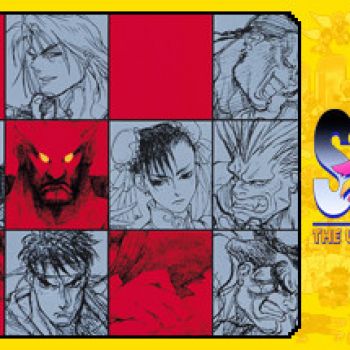
Overview of Street Fighter II
Street Fighter II remains one of the most iconic titles in the fighting game genre. First released in arcades and later ported to many home systems, it introduced a level of depth and competition that set the standard for future titles. The game invites players to step into a vibrant world of martial arts where each match is a test of timing, positioning and strategic decision making. Its bright pixel art, memorable sound effects and competitive spirit continue to attract both veteran fighters and newcomers.
What makes the game memorable
The lasting appeal of Street Fighter II lies in its simple yet deep combat system. Players choose from a roster of distinct fighters, each with a unique set of moves that can be combined in creative ways. The balance between offensive pressure and defensive patience creates a dynamic flow that rewards careful observation. The game also introduced the concept of special moves that require precise input, adding an extra layer of skill for those who wish to master the nuances of each character.
Getting started for new players
Newcomers to Street Fighter II should focus on learning the basic flow of a match before attempting advanced techniques. Begin by familiarising yourself with the layout of the fighting arena, noting the boundaries where a character is considered defeated. Spend time watching the opponent’s movement patterns and learning how to respond with simple attacks and blocks. Practising these fundamentals will build a solid foundation for later experimentation with more complex strategies.
Understanding the fighting arena
The arena is a horizontal stage where each fighter can move left or right. The goal is to push the opponent toward the edge of the screen until they can no longer recover. Keeping a safe distance while looking for openings is a key element of success. Remember that the stage does not have obstacles, so positioning and timing become the primary tools for gaining advantage.
Basic tactics for early matches
During the first few rounds, concentrate on a few reliable attacks that are easy to execute. Use these moves to gauge the opponent’s reaction and to establish a rhythm. Blocking at the right moment can turn an aggressive approach into a counter opportunity. Try to vary the timing of your attacks to avoid becoming predictable, and watch for moments when the opponent retreats, as this often signals a chance to press forward.
Developing skill and strategy
As confidence grows, players can begin to explore the deeper aspects of the combat system. Learning how to combine basic attacks into longer sequences creates pressure that forces the opponent to react. Timing becomes increasingly important, as well as the ability to anticipate the opponent’s next move. Mastery of these elements separates casual participants from competitive contenders.
Reading opponent movement
Observing the opponent’s footwork and attack patterns reveals valuable information. A player who frequently steps forward may be looking to close distance quickly, while one who retreats often could be waiting for a specific opening. By recognizing these habits, you can adjust your own approach to exploit weaknesses. Patience and careful observation often lead to decisive moments.
Managing distance and timing
Maintaining the optimal distance allows you to strike while staying out of reach of the opponent’s strongest attacks. Practice stepping back after an attack to create space for a defensive response. Timing your moves to land just as the opponent begins an action can interrupt their flow and give you the upper hand. Consistent practice of these principles will improve overall performance.
Replay value and community
Street Fighter II offers a high level of replayability due to its balanced roster and competitive nature. Each match presents a new set of challenges, encouraging players to refine their techniques and adapt to different fighting styles. The game has fostered a vibrant community that continues to organise tournaments, share strategies and celebrate the legacy of the title. Whether playing against friends or online opponents, the experience remains fresh and engaging.
Frequently Asked Questions
- How can I improve my performance in Street Fighter II? Focus on mastering basic attacks, practice blocking and study opponent patterns. Consistent practice and reviewing each match will reveal areas for improvement.
- Is Street Fighter II suitable for casual players? Yes the game welcomes players of all skill levels. Beginners can enjoy simple matches while more experienced players explore deeper strategies.
- Where can I find opponents for practice? Many online platforms host versions of the game where you can challenge other players. Local gaming groups and retro arcades also provide opportunities for face to face competition.
- What aspects of the game keep it popular after many years? The balanced roster, timeless art style and competitive depth continue to attract new fans. The community around the game also contributes to its lasting relevance.
- Can I play Street Fighter II on modern devices? Yes the title has been re‑released on several modern consoles and can be accessed through official digital stores. Emulation options are also available for those who own the original hardware.