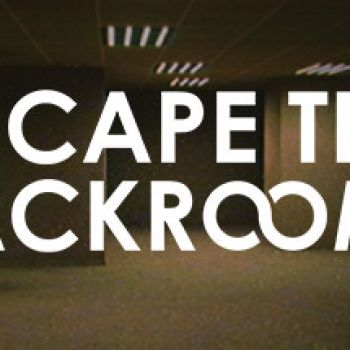
Overview of Escape The Backrooms
Escape The Backrooms is an online experience that places the player inside an endless maze of bland office‑like corridors. The game draws inspiration from the popular internet myth of the Backrooms, a liminal space that feels both familiar and unsettling. Players must navigate through repetitive rooms, avoid hidden dangers, and search for an exit that may or may not exist. The atmosphere is built on low lighting, humming fluorescent lights, and the distant echo of footsteps, creating a sense of isolation that keeps the heart rate steady.
Visual Style and Sound Design
The visual presentation relies on simple textures that mimic aging carpet, cracked drywall, and flickering lights. This minimalistic approach enhances the feeling of being trapped in a space that never changes. The sound design complements the visuals with ambient hums, distant drips, and occasional unsettling noises that hint at something moving just out of sight. The combination of visual monotony and subtle audio cues makes each turn feel like a new challenge.
Color Palette and Lighting
The game uses a muted color palette dominated by yellows, browns, and greys. Lighting is deliberately uneven, with some areas bathed in harsh fluorescent glare while others are shrouded in shadows. This contrast encourages players to move cautiously, as darkness often hides unexpected obstacles.
Audio Ambience
Background sounds are layered to create depth. The constant buzz of fluorescent tubes is punctuated by occasional creaks, distant thuds, and the faint sound of distant machinery. These audio elements are designed to keep the player alert without overwhelming the senses.
Core Gameplay Experience
The primary objective is to find a way out of the ever‑changing labyrinth. There is no fixed map, and each playthrough generates a new layout, ensuring that no two sessions feel identical. The game does not provide explicit instructions, allowing players to discover mechanics through observation and experimentation. Exploration is rewarded with hidden rooms that may contain clues, items, or shortcuts.
Player Goals
Players aim to locate exit points that appear as doors, vents, or hidden passages. Some exits require solving simple environmental puzzles, such as aligning lights or moving objects to create a clear path. The sense of achievement comes from recognizing patterns in the architecture and using them to progress.
Challenge and Tension
While the game does not feature combat, tension is built through time pressure and the fear of becoming lost. Certain areas contain subtle hazards, such as floors that give way or walls that shift when approached. These elements encourage careful movement and strategic planning.
Practical Guidance for New Players
Because the game does not provide a tutorial, newcomers should adopt a methodical approach. Begin by moving slowly and observing the environment for visual cues. Look for inconsistencies in wall textures or lighting, as these often indicate a hidden passage. When a door appears, pause to listen for any change in ambient sound, which may signal a safe route.
Exploration Tips
Marking progress mentally can be helpful. Remember the direction of the last known exit and try to maintain a consistent orientation. If the layout feels repetitive, backtrack slightly and search for alternate routes. Occasionally, the game places objects that can be interacted with; these may reveal shortcuts or provide useful information.
Managing Fear and Fatigue
The repetitive nature of the environment can lead to mental fatigue. Take short breaks between sessions to reset focus. Adjust the volume to a comfortable level; lowering background noise can make subtle audio cues easier to detect. Maintaining a calm mindset will improve decision making and reduce the likelihood of making hasty moves.
Advanced Strategies and Replay Value
Experienced players often develop personal systems for navigating the maze. Some rely on counting steps, while others use the pattern of light flickers as a guide. The game rewards experimentation, as hidden rooms may contain rare items that enhance future runs. Because each layout is generated anew, the replay value remains high, encouraging players to return and test new strategies.
Optimising Route Selection
When multiple doors appear, evaluate each based on surrounding lighting and sound. Doors that open onto brighter areas are generally safer, while darker passages may hide shortcuts. Observing the behavior of environmental elements, such as the direction of airflow from vents, can also provide hints about the correct path.
Community Interaction
Although the game does not feature built‑in multiplayer, many players share their discoveries on forums and social media. Engaging with the community can provide fresh perspectives on solving particularly tricky sections. Sharing screenshots of unusual room configurations can also help others identify patterns that lead to successful exits.
Frequently Asked Questions
Is there a time limit to escape?
The game does not impose a strict timer, but lingering too long in one area can increase the difficulty of finding an exit due to the dynamic nature of the environment.
Can the game be played on mobile devices?
Escape The Backrooms is designed for web browsers and can be accessed on most modern devices, including tablets and smartphones, provided the browser supports the required graphics standards.
Are there any hidden collectibles?
Yes, the game places occasional items in concealed rooms. These items do not affect the core objective but serve as markers of exploration and can be used to compare progress with other players.
How often does the layout change?
Each new session generates a fresh arrangement of rooms, ensuring that the experience remains unpredictable and challenging.
Is there a way to save progress?
The game does not include a save feature. Players must complete each run in a single session, which adds to the tension and encourages careful planning.